AI-Generated Visuals Are Changing Brand Identity — Here's How to Stay Ahead
From product mockups to social media creatives, AI image generation is redefining visual branding. Here's how forward-thinking brands are using it without losing authenticity.
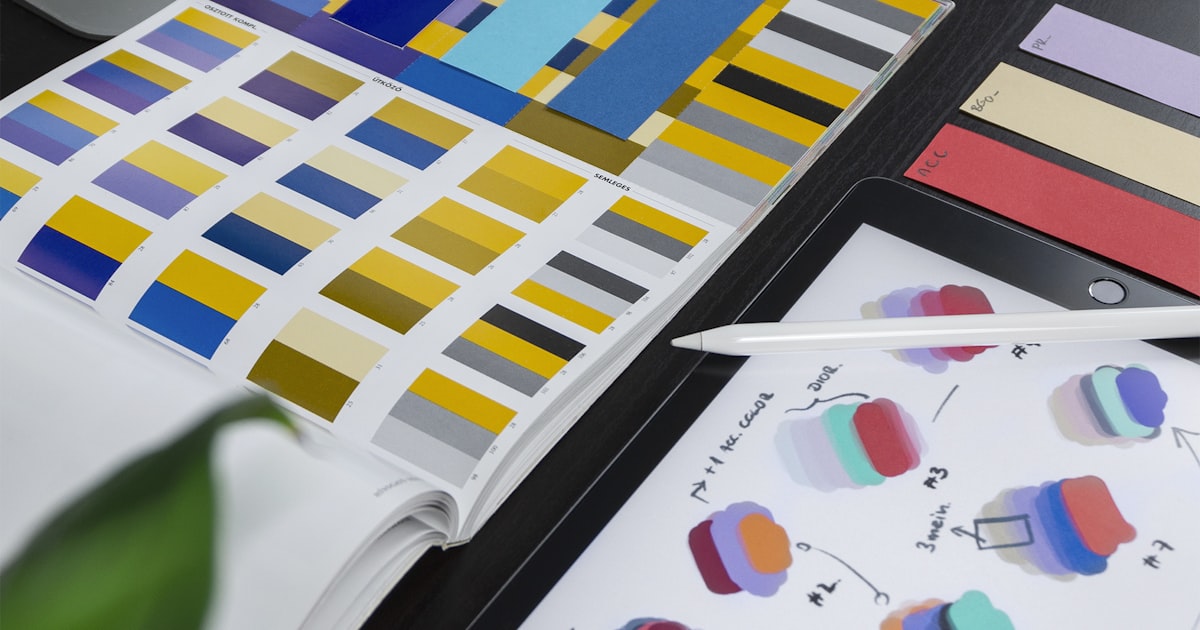
A year ago, AI-generated images were a novelty — interesting but rarely production-ready.
Today, they're a core part of the creative pipeline for brands producing content at scale. The quality has crossed the threshold from "obviously AI" to "wait, that's not a real photo?"
But here's the catch: most brands are using AI visuals wrong. They're generating generic, soulless images that scream "made by AI" and actually hurt their brand perception.
The brands doing it right? They're using AI as a creative accelerator — not a replacement for creative direction.
The Current State of AI Visual Generation
The tools have matured dramatically. Models like DALL-E 3, Midjourney v6, Stable Diffusion XL, and Flux can now produce:
- Product photography that's nearly indistinguishable from studio shots.
- Brand illustrations with consistent style and color palettes.
- Social media templates customized to specific brand guidelines.
- Concept art and mockups for campaigns before committing to production.
The quality bar has risen — but so have audience expectations.
People can spot lazy AI-generated content instantly. And when they do, it erodes trust. The key is using AI as a tool, not a crutch.
Where AI Visuals Work Best
1. Social Media Content at Scale
Producing 30+ pieces of visual content per month is expensive with traditional design.
AI allows brands to generate variations of on-brand visuals quickly — then a human designer refines the best outputs. It's not about replacing the designer. It's about giving them 10 starting points instead of a blank canvas.
At Quessence, we use this approach for Instagram carousels, story templates, and promotional graphics. The AI generates 10 options; our creative team selects and polishes the top 2.
2. Product Mockups and Lifestyle Shots
Not every brand can afford weekly product photography shoots.
AI-generated lifestyle shots — products in context, different settings, seasonal themes — fill the gap between shoots. Need your coffee brand in a cozy autumn setting? AI gets you there in minutes, not days.
The key is training AI models on your actual product photos so outputs feel authentic, not generic.
3. Ad Creative Testing
Running A/B tests on ad creatives used to mean commissioning multiple design variants. That's expensive and slow.
Now, AI generates 20 creative variations in minutes. You test all 20, find the winner, and then invest in professional production for the top performer.
This flips the traditional workflow: test cheap, produce expensive instead of produce expensive, hope it works.

4. Brand World Building
AI excels at creating consistent visual worlds — imaginary settings, branded environments, and campaign-specific aesthetics that would cost thousands to produce traditionally.
Think: a coffee brand that generates cozy autumn scenes with their products. Or a tech brand that creates futuristic cityscapes as their visual signature.
These aren't one-off images. They're visual systems that define how your brand shows up across every touchpoint.
Where AI Visuals Fail
Not everything should be AI-generated. Knowing the limits is just as important as knowing the capabilities.
Faces and People
AI-generated faces still fall into the uncanny valley for many viewers.
There are also serious ethical and legal questions around generating images of realistic people. We recommend using real photography for any content featuring people — especially for brands that rely on human connection and trust.
Brand Consistency Without Guardrails
Without a defined visual system, AI generates random aesthetics. Every output looks different, and your brand becomes a visual mess.
You need guardrails:
- Color palette constraints embedded in every prompt.
- Style reference images for consistent aesthetic direction.
- Typography guidelines that AI outputs are designed around (not generated by).
- Brand voice documentation that informs the mood and tone of every visual.
Legal Grey Areas
The copyright status of AI-generated images is still evolving.
For critical brand assets (logos, key campaign visuals, packaging), stick with human-created work that you own outright. Use AI for high-volume, short-lived content where the legal risk is minimal.
Our AI Creative Workflow
At Quessence's AI Creative Studio, we've developed a hybrid workflow that combines the speed of AI with the quality of human creative direction:
-
Creative Brief — Human-defined strategy, mood boards, and brand guidelines. This is the foundation everything builds on.
-
AI Generation — Multiple AI tools produce initial concepts. We use 3–4 different models for variety, because each has strengths in different styles.
-
Curation — Our creative director selects the strongest outputs. Most get discarded — that's the point.
-
Refinement — Human designers polish, color-correct, and brand-align the selected pieces. This is where "good AI output" becomes "great brand content."
-
Delivery — Final assets exported in platform-specific formats, optimized for each channel.
This workflow produces 5x the visual output compared to pure traditional design, at roughly 40% of the cost — without sacrificing brand quality.
The Future: Custom-Trained Brand Models
The next frontier is fine-tuning AI models on your specific brand assets.
Imagine an AI that inherently understands your brand's visual language — every output is already on-brand before any human touches it. No prompting required. Just "generate a social post for this product" and it knows your colors, your style, your aesthetic.
We're already building these custom pipelines for select clients, and the results are remarkable.
Ready to scale your visual content without losing your brand's soul? Let's talk about AI-powered creative production.